Advanced Open Water
INTERMEDIATE
JEDDAH, SA
PROFESSIONAL ASSOCIATION OF DIVING INSTRUCTORS (PADI)
Number of sessions : 2 Sessions
$767.05incl. VAT
Choose your instructor
Add to favorite
Overview
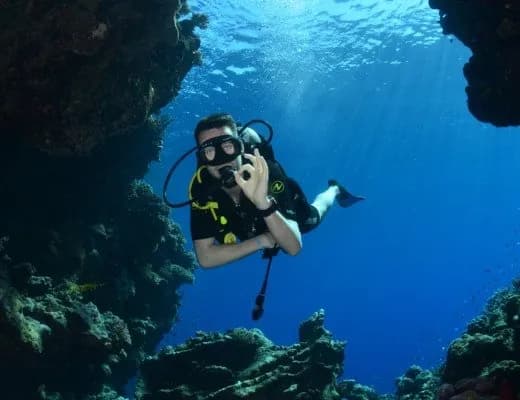
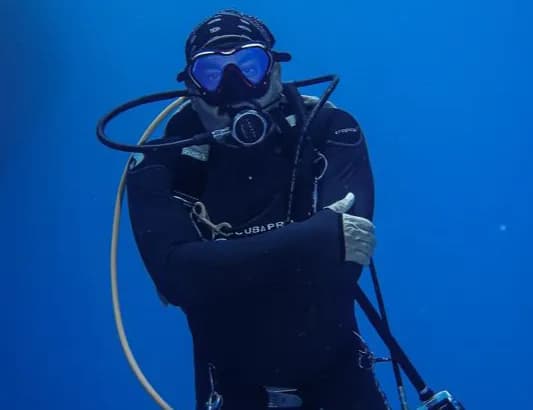
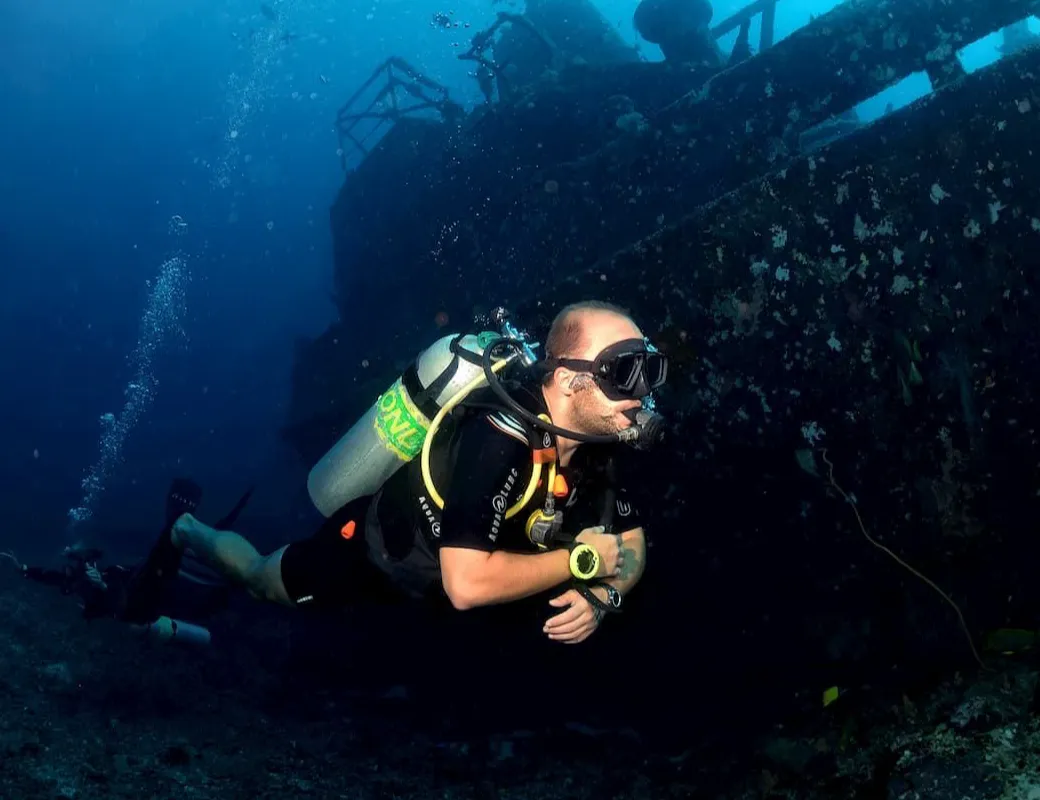
Advance your diving skills and confidence through five unique adventurous dives, including deep and navigation dives.
Description
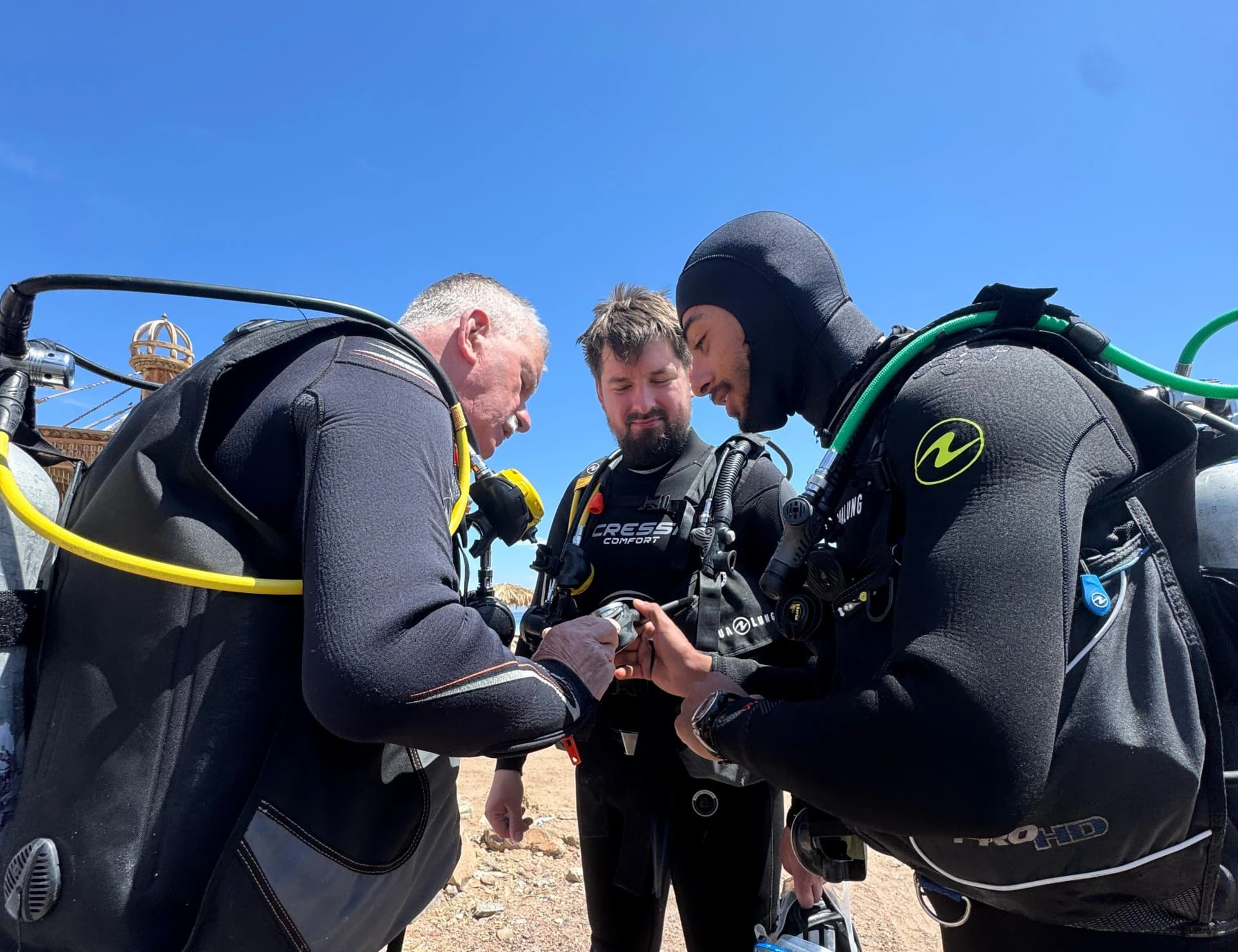
The Advanced Open Water Diver course expands your diving skills, building on what you've learned in previous training. This course includes both deep and navigation dives, along with three specialty dives, allowing you to dive to depths of up to 30 meters. It’s an exciting way to advance your skills and explore new underwater environments.
15
Minimum Age
30m
Adult Max. Depth
What's included
Course Material
Meal(s)
Certificate
Sessions
Day 1: Navigation Dive + 2 specialities from your choice
Enhance your navigation skills, learning to use a compass and natural landmarks for guidance
Day 2: Deep Dive + 1 speciality from your choice
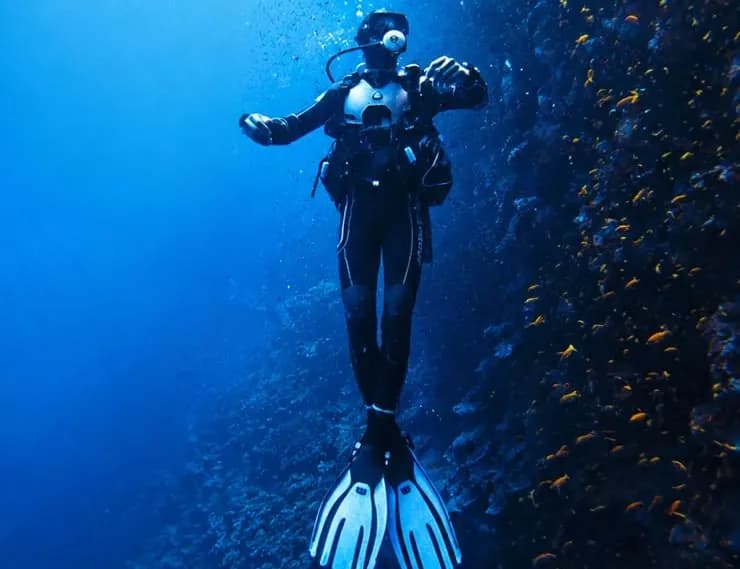
An introduction to deeper diving with safety and planning, taking you to a depth of 30 meters.
OTHER COURSES
ADVANCED
The PADI Divemaster course is the first professional level in scuba diving, designed for those who want to turn their passion for diving into a career. As a Divemaster, you’ll gain the knowledge and leadership skills to supervise diving activities, assist instructors with student training, and inspire others to explore the underwater world.
Through a combination of classroom sessions, independent study, workshops, and in-water training, you’ll expand your diving theory, sharpen rescue skills, and develop strong problem-solving abilities. You’ll also refine your personal dive techniques to the professional level while learning how to guide and support divers of all experience levels.
Once certified, you can work at dive centers, lead certified divers on guided tours, assist in PADI courses, and become a role model for safe and enjoyable diving. The Divemaster course is not only a step toward becoming a PADI Instructor but also a rewarding way to share your love for the ocean.

BEGINNER
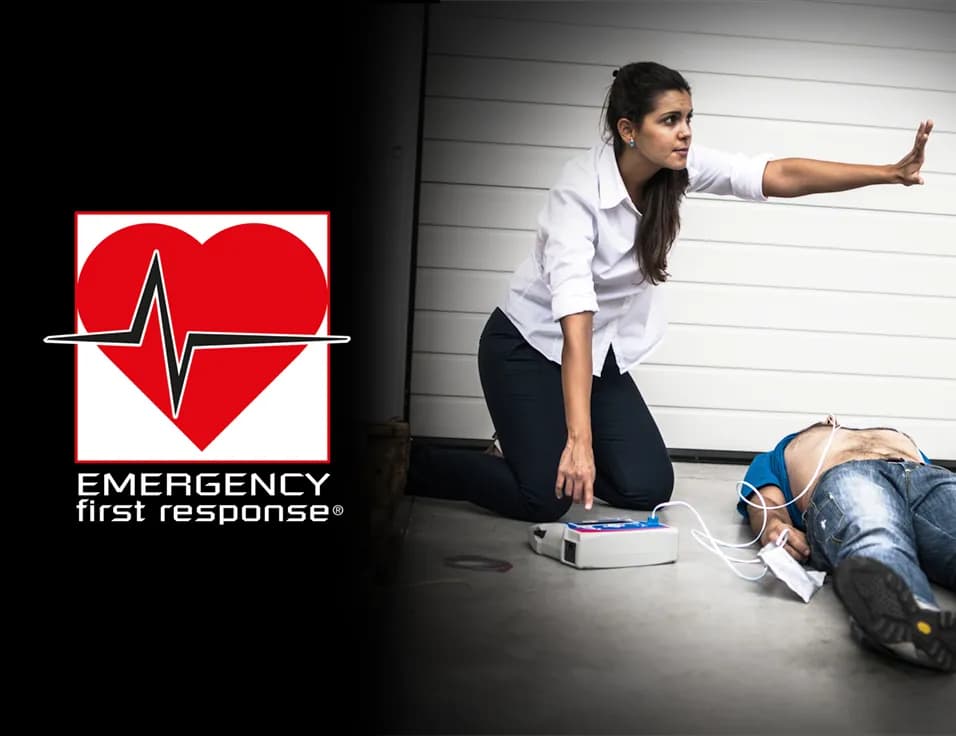
In the Emergency First Response (EFR) course by PADI, training is divided into Primary Care (CPR) and Secondary Care (First Aid).
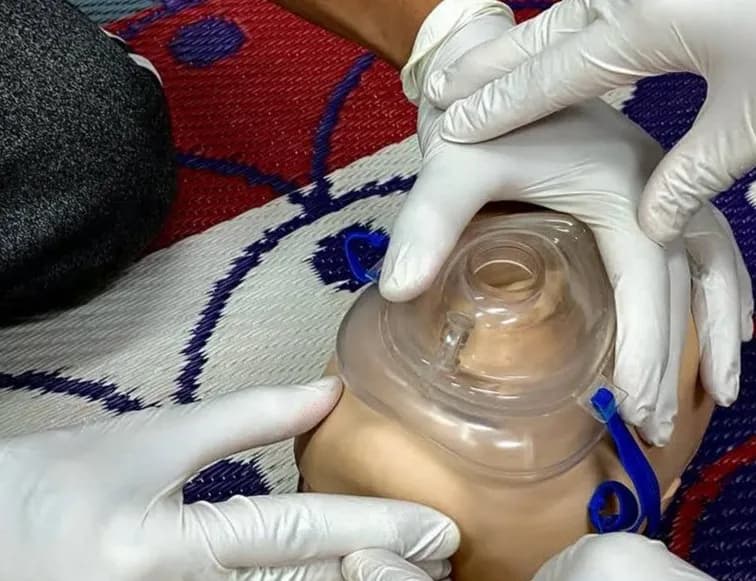
Primary Care (CPR) prepares you to handle life-threatening emergencies. You learn to assess the situation, provide rescue breathing, perform CPR, manage choking incidents, control severe bleeding, treat shock, and care for possible spinal injuries. The focus is on sustaining life until professional medical help arrives.
Secondary Care (First Aid) focuses on non-life-threatening conditions where medical assistance may be delayed. You practice patient assessments and learn to care for injuries such as cuts, sprains, burns, or illnesses. Skills include proper bandaging, splinting, and providing comfort while monitoring the patient’s condition.
Together, these two areas give you a complete set of emergency response skills—ensuring that you can act confidently in both critical and everyday situations. The course emphasizes hands-on practice and simple step-by-step techniques, helping you build the confidence to respond quickly and effectively.
Whether you are a diver preparing for higher-level training or someone who simply wants to be ready in case of emergencies, the EFR course provides essential, internationally recognized CPR and first aid skills that can make a real difference.

BEGINNER
The PADI Open Water Diver course is the world’s most popular scuba certification program. It teaches the basics of scuba diving through:
• Knowledge development (theory and safety),
• Confined water dives (in a pool or pool-like conditions),
• Open water dives (in the sea or a lake).
After successful completion, you’ll be certified to dive up to 18 meters (60 feet) with a buddy, anywhere in the world. The course typically takes 3–4 days and is the first step toward becoming a certified diver.

INTERMEDIATE
The **PADI Rescue Diver course** is a transformative program designed to expand your diving knowledge, skills, and confidence. Often described as the most rewarding recreational dive course, it teaches you to look beyond yourself and focus on others in the water.
Through a mix of classroom sessions, confined water practice, and open water scenarios, you’ll learn how to recognize, prevent, and manage potential dive emergencies. The course covers self-rescue techniques, assisting tired or panicked divers, responding to distressed divers underwater and at the surface, handling unconscious divers, and managing emergency situations effectively.
A significant emphasis is placed on problem-solving, situational awareness, and leadership. You’ll also practice accident management, use of emergency oxygen, and coordinate rescue responses in realistic scenarios.
Prerequisites include being certified as an Advanced Open Water Diver, having recent CPR and First Aid training (Emergency First Response or equivalent), and adequate physical fitness.
Upon completion, you’ll not only be a more capable and prepared diver but also a trusted dive buddy who can prevent problems and respond confidently in stressful situations. The Rescue Diver course is a key step toward becoming a PADI Professional and a safer, more responsible diver.

INTERMEDIATE
Exploring the depths and breathing in the depths is something very special. You can see many marine animals associated only with the depths, with their different colors and marine nature. You will see and understand the reasons for the disappearance of colors in the depths and you will learn about all the equipment that you must use in deep diving.
ADVANCED
The PADI Divemaster course is the first professional level in scuba diving, designed for those who want to turn their passion for diving into a career. As a Divemaster, you’ll gain the knowledge and leadership skills to supervise diving activities, assist instructors with student training, and inspire others to explore the underwater world.
Through a combination of classroom sessions, independent study, workshops, and in-water training, you’ll expand your diving theory, sharpen rescue skills, and develop strong problem-solving abilities. You’ll also refine your personal dive techniques to the professional level while learning how to guide and support divers of all experience levels.
Once certified, you can work at dive centers, lead certified divers on guided tours, assist in PADI courses, and become a role model for safe and enjoyable diving. The Divemaster course is not only a step toward becoming a PADI Instructor but also a rewarding way to share your love for the ocean.

BEGINNER
In the Emergency First Response (EFR) course by PADI, training is divided into Primary Care (CPR) and Secondary Care (First Aid).
Primary Care (CPR) prepares you to handle life-threatening emergencies. You learn to assess the situation, provide rescue breathing, perform CPR, manage choking incidents, control severe bleeding, treat shock, and care for possible spinal injuries. The focus is on sustaining life until professional medical help arrives.
Secondary Care (First Aid) focuses on non-life-threatening conditions where medical assistance may be delayed. You practice patient assessments and learn to care for injuries such as cuts, sprains, burns, or illnesses. Skills include proper bandaging, splinting, and providing comfort while monitoring the patient’s condition.
Together, these two areas give you a complete set of emergency response skills—ensuring that you can act confidently in both critical and everyday situations. The course emphasizes hands-on practice and simple step-by-step techniques, helping you build the confidence to respond quickly and effectively.
Whether you are a diver preparing for higher-level training or someone who simply wants to be ready in case of emergencies, the EFR course provides essential, internationally recognized CPR and first aid skills that can make a real difference.

BEGINNER
The PADI Open Water Diver course is the world’s most popular scuba certification program. It teaches the basics of scuba diving through:
• Knowledge development (theory and safety),
• Confined water dives (in a pool or pool-like conditions),
• Open water dives (in the sea or a lake).
After successful completion, you’ll be certified to dive up to 18 meters (60 feet) with a buddy, anywhere in the world. The course typically takes 3–4 days and is the first step toward becoming a certified diver.

INTERMEDIATE
The **PADI Rescue Diver course** is a transformative program designed to expand your diving knowledge, skills, and confidence. Often described as the most rewarding recreational dive course, it teaches you to look beyond yourself and focus on others in the water.
Through a mix of classroom sessions, confined water practice, and open water scenarios, you’ll learn how to recognize, prevent, and manage potential dive emergencies. The course covers self-rescue techniques, assisting tired or panicked divers, responding to distressed divers underwater and at the surface, handling unconscious divers, and managing emergency situations effectively.
A significant emphasis is placed on problem-solving, situational awareness, and leadership. You’ll also practice accident management, use of emergency oxygen, and coordinate rescue responses in realistic scenarios.
Prerequisites include being certified as an Advanced Open Water Diver, having recent CPR and First Aid training (Emergency First Response or equivalent), and adequate physical fitness.
Upon completion, you’ll not only be a more capable and prepared diver but also a trusted dive buddy who can prevent problems and respond confidently in stressful situations. The Rescue Diver course is a key step toward becoming a PADI Professional and a safer, more responsible diver.

INTERMEDIATE
Exploring the depths and breathing in the depths is something very special. You can see many marine animals associated only with the depths, with their different colors and marine nature. You will see and understand the reasons for the disappearance of colors in the depths and you will learn about all the equipment that you must use in deep diving.

ADVANCED
The PADI Divemaster course is the first professional level in scuba diving, designed for those who want to turn their passion for diving into a career. As a Divemaster, you’ll gain the knowledge and leadership skills to supervise diving activities, assist instructors with student training, and inspire others to explore the underwater world.
Through a combination of classroom sessions, independent study, workshops, and in-water training, you’ll expand your diving theory, sharpen rescue skills, and develop strong problem-solving abilities. You’ll also refine your personal dive techniques to the professional level while learning how to guide and support divers of all experience levels.
Once certified, you can work at dive centers, lead certified divers on guided tours, assist in PADI courses, and become a role model for safe and enjoyable diving. The Divemaster course is not only a step toward becoming a PADI Instructor but also a rewarding way to share your love for the ocean.

BEGINNER
In the Emergency First Response (EFR) course by PADI, training is divided into Primary Care (CPR) and Secondary Care (First Aid).
Primary Care (CPR) prepares you to handle life-threatening emergencies. You learn to assess the situation, provide rescue breathing, perform CPR, manage choking incidents, control severe bleeding, treat shock, and care for possible spinal injuries. The focus is on sustaining life until professional medical help arrives.
Secondary Care (First Aid) focuses on non-life-threatening conditions where medical assistance may be delayed. You practice patient assessments and learn to care for injuries such as cuts, sprains, burns, or illnesses. Skills include proper bandaging, splinting, and providing comfort while monitoring the patient’s condition.
Together, these two areas give you a complete set of emergency response skills—ensuring that you can act confidently in both critical and everyday situations. The course emphasizes hands-on practice and simple step-by-step techniques, helping you build the confidence to respond quickly and effectively.
Whether you are a diver preparing for higher-level training or someone who simply wants to be ready in case of emergencies, the EFR course provides essential, internationally recognized CPR and first aid skills that can make a real difference.

BEGINNER
The PADI Open Water Diver course is the world’s most popular scuba certification program. It teaches the basics of scuba diving through:
• Knowledge development (theory and safety),
• Confined water dives (in a pool or pool-like conditions),
• Open water dives (in the sea or a lake).
After successful completion, you’ll be certified to dive up to 18 meters (60 feet) with a buddy, anywhere in the world. The course typically takes 3–4 days and is the first step toward becoming a certified diver.

INTERMEDIATE
The **PADI Rescue Diver course** is a transformative program designed to expand your diving knowledge, skills, and confidence. Often described as the most rewarding recreational dive course, it teaches you to look beyond yourself and focus on others in the water.
Through a mix of classroom sessions, confined water practice, and open water scenarios, you’ll learn how to recognize, prevent, and manage potential dive emergencies. The course covers self-rescue techniques, assisting tired or panicked divers, responding to distressed divers underwater and at the surface, handling unconscious divers, and managing emergency situations effectively.
A significant emphasis is placed on problem-solving, situational awareness, and leadership. You’ll also practice accident management, use of emergency oxygen, and coordinate rescue responses in realistic scenarios.
Prerequisites include being certified as an Advanced Open Water Diver, having recent CPR and First Aid training (Emergency First Response or equivalent), and adequate physical fitness.
Upon completion, you’ll not only be a more capable and prepared diver but also a trusted dive buddy who can prevent problems and respond confidently in stressful situations. The Rescue Diver course is a key step toward becoming a PADI Professional and a safer, more responsible diver.