Stand at the edge of a Red Sea wall and the reef simply stops. The coral drops away into deep blue, and every diver feels the pull to go a little further. The best divers know that the real thrill is diving well within your limits, with time to look, breathe and enjoy.
This guide explains diver depth limits for every certification level, what happens in your body as you descend, and how Saudi divers can build the skills to reach the Red Sea's deeper sites safely.
What Are Diver Depth Limits?
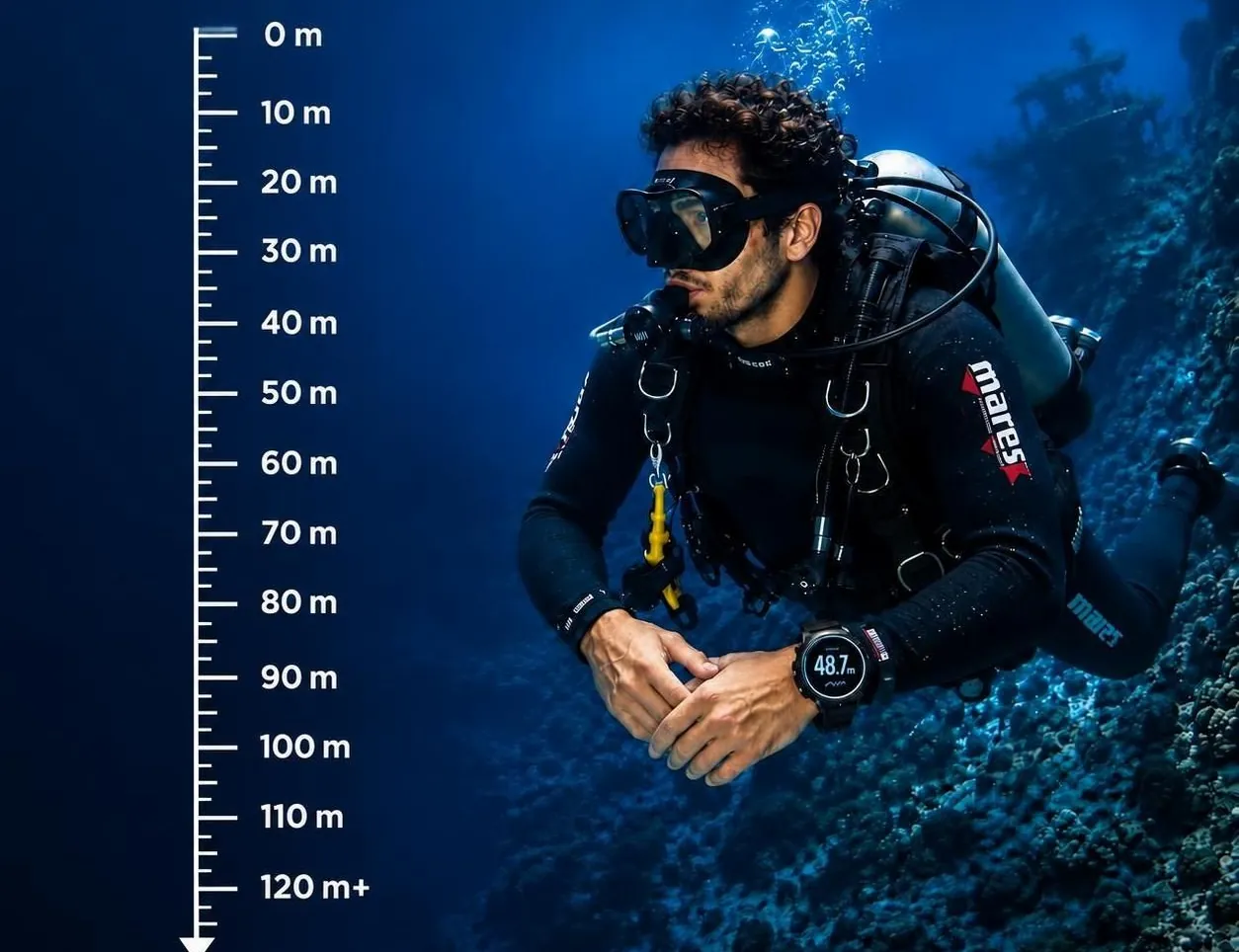
Diver depth limits are the maximum depths that your certification level qualifies you to dive. They exist because pressure rises with every metre, which affects your air supply, your nitrogen absorption and your decision-making. Depth limits protect you while you build experience, and each new course unlocks a deeper and more rewarding range of sites.
PADI Depth Limits by Certification
PADI depth limits follow a clear ladder. SSI uses similar limits for its equivalent levels. If you are choosing between the two, our PADI vs SSI guide explains the difference.
- Discover Scuba Diving: 12 metres
- Open Water depth: 18 metres
- Adventure Diver: 21 metres
- Advanced Diver depth: 30 metres
- Deep Diver specialty: 40 metres
Start with the Open Water course, or try the sea first with Discover Scuba Diving.
Why Is 40 Metres the Max Dive Depth?
The max dive depth for recreational divers is 40 metres, and scuba depth limits are set there for good reasons. Below 30 metres your air runs out much faster, your no-decompression time shrinks to a few minutes, and nitrogen narcosis becomes a real factor. Diving deeper than 40 metres belongs to technical diving, which needs special training, gas mixes and equipment. The Red Sea walls drop far beyond that depth, so the limit is something you plan for, not something the scenery will show you.
Nitrogen Narcosis and Decompression Sickness
Two effects explain why depth limits matter.
Nitrogen narcosis is a feeling of mental fogginess caused by breathing nitrogen under pressure. Most divers start to notice it below about 30 metres. You may feel light-headed, overconfident or slow to react. The cure is simple: ascend a few metres and the feeling fades.
Decompression sickness happens when nitrogen dissolved in your body forms bubbles during a fast or overlong ascent. You avoid it by staying inside your no decompression limit, ascending slowly and making your safety stop. Dive within your limits and follow your plan, and the risk stays very low.
No Decompression Limit and Dive Computer Alerts
Your no decompression limit is the time you can stay at a given depth and still return straight to the surface. It gets shorter as you go deeper: roughly 56 minutes at 18 metres, about 20 minutes at 30 metres and only around 9 minutes at 40 metres, based on the PADI tables.
Your dive computer tracks this for you. Learn its dive computer alerts before you dive: the depth alarm, the ascent-rate warning and the no-stop time countdown. Set your maximum depth alarm to your certification limit, and treat every beep as an instruction to ascend a little.
Ready to dive deeper, step by step? See EscaVida's Saudi Arabia liveaboards and Egypt liveaboards. A liveaboard week gives you multiple dives a day, a briefing before each one, and a crew that plans every depth with you.
Red Sea Depth Limits in Practice
Red Sea depth limits are simple to follow when you know the sites. Many of the best dives sit well inside Open Water and Advanced limits:
- Abu Nuhas: four wrecks (Giannis D, Carnatic, Chrisoula K and Kimon M) in shallow to medium depths. Penetration of the wrecks needs extra training.
- SS Thistlegorm: the famous WWII wreck lies at around 30 metres on the seabed, with much of the cargo shallower. Advanced certification is a sensible baseline.
- Elphinstone: walls and a reef top that you enjoy at moderate depth. The Arch lies beyond recreational limits, and guides brief divers to stay above it.
- Brothers and Daedalus: offshore reefs with sharp drop-offs and current. Divers here follow the guide closely and watch the gauge.
Sharks, rays and turtles are seasonal and never guaranteed, but the reefs, walls and wrecks reward you at every depth. For an overview of the best sites, read our Red Sea dive sites guide, and if you plan an Egyptian route, our Egypt liveaboard guide for Saudi travelers covers the vessels and booking steps.
Deep Diving in Jeddah: Your Next Step
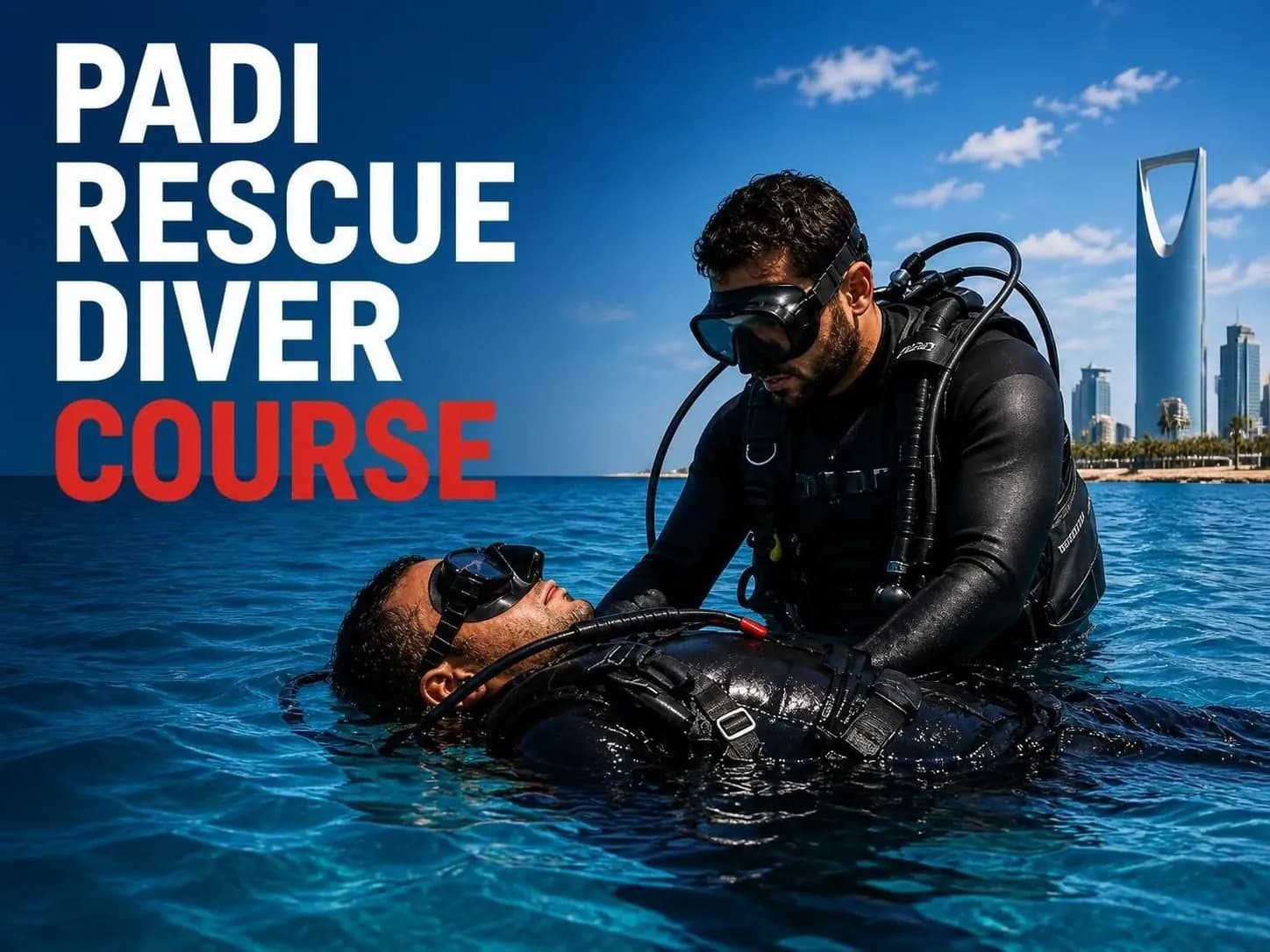
Deep diving in Jeddah starts with training. The Advanced Open Water course takes you from 18 to 30 metres with a deep dive, a night dive, and navigation work, as described in our Advanced Open Water certification guide. After that, the Rescue Diver course teaches you to look after your buddy, which is the skill that makes you a confident deeper diver. Already certified? Book a day on the water with the Boat Trip - Scuba & Snorkeling from Jeddah to refresh your skills.
Safety Stop Depth: The Finishing Touch
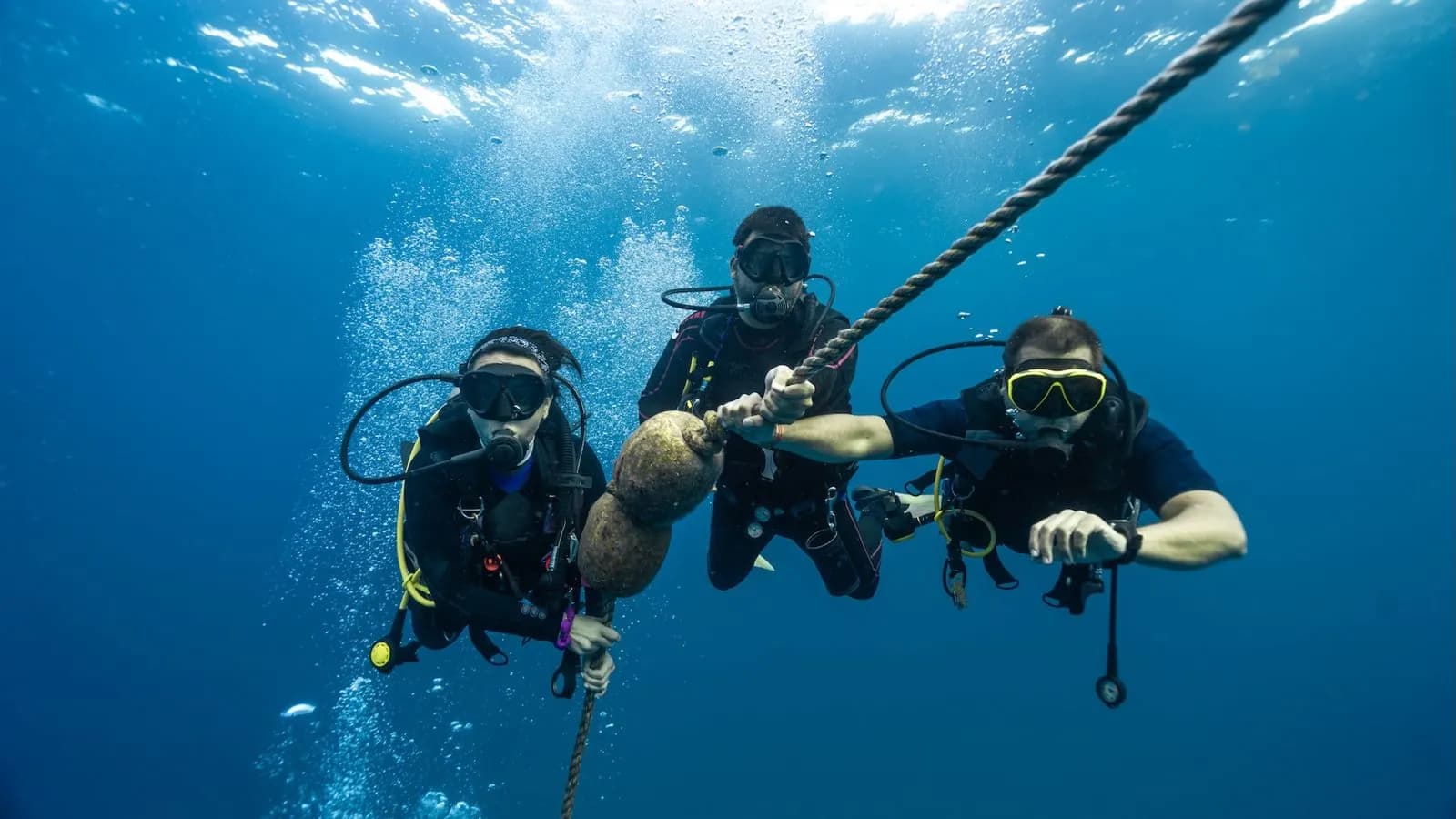
Your safety stop depth is 5 metres, held for three minutes at the end of every dive. It is a small habit with a big benefit, because it gives your body time to release nitrogen. Hold your depth, breathe calmly, and let your computer count the minutes.
Diver Depth Limits: Quick Answers
What is the depth limit for Open Water divers? 18 metres.
How deep can an Advanced diver go? 30 metres. A Deep Diver specialty extends the limit to 40 metres.
What is the maximum recreational dive depth? 40 metres.
Do I need a deep specialty to dive the Red Sea? Not for most sites. Open Water and Advanced limits cover many of the best dives, and a guide briefs you on every site.
Dive Deeper, Dive Smarter
Diver depth limits are your plan for a long diving life: stay inside them, build experience dive by dive and let each course open a new set of sites. The Red Sea will still be here when you are ready for the next level. Choose your course or your liveaboard week on EscaVida, pick your dates and book with confidence. Pay in installments with Tamara on eligible experiences, terms at checkout.
See Saudi Arabia liveaboards | Explore Egypt liveaboards
Related reading: Red Sea Liveaboard vs Day Trip Diving, Make Your First Liveaboard Trip Easier